As a literary device, the metaphor is vibrant in literature and film.
To this day I remember from high school the allegory of the cave in Plato’s Republic. What happened in the cave illustrates how mankind can be stuck in the illusion of life and not in reality.
And in one of my favorite streaming shows of all time, The Bear, the restaurant kitchen becomes the antidote to family trauma, rage, and, healing. For the damaged chefs, everything revolves around working in the kitchen.
Metaphors can provide a major assist in painting a visual picture for the public if they’re rooted in familiar concepts. Analogizing helps give energy and appeal to dry, intellectual concepts. And cut through the partisan froth and toxicity.
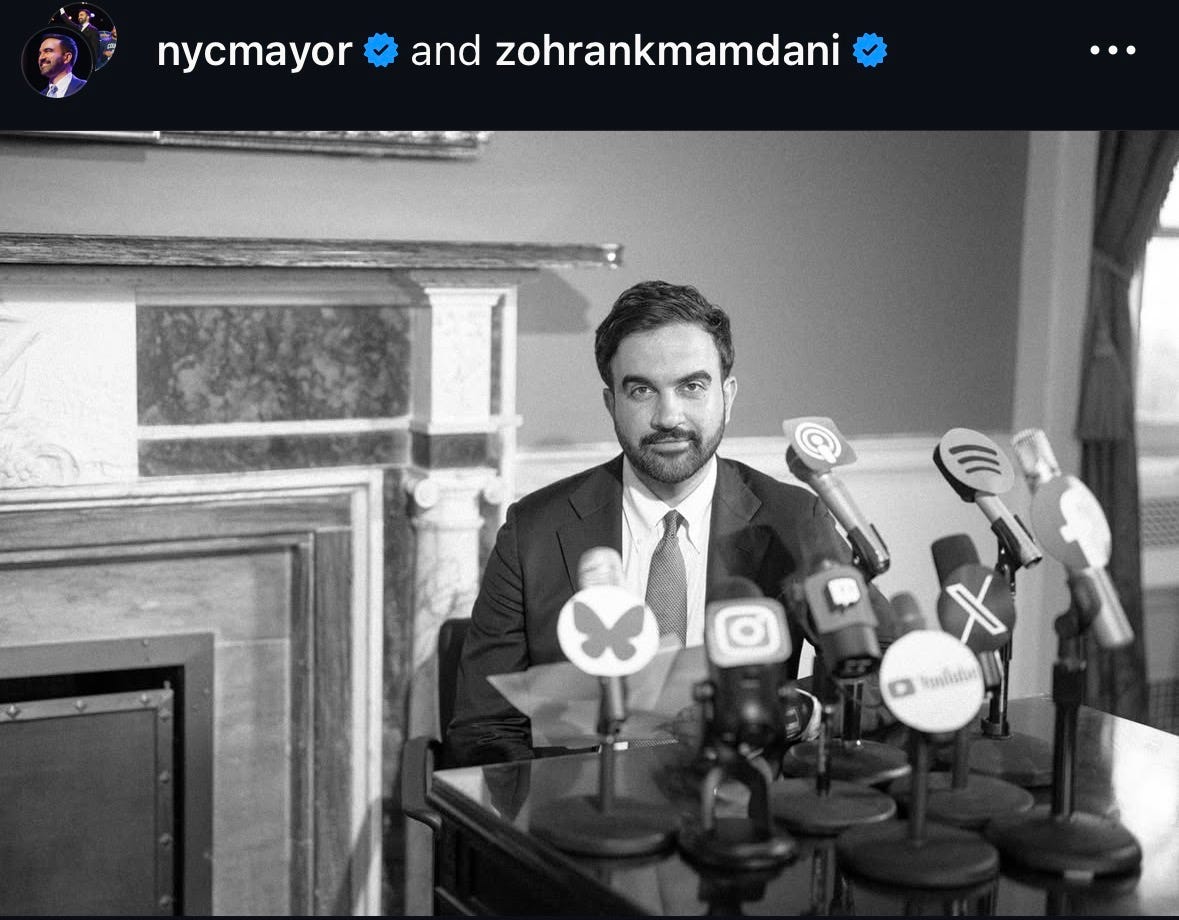
The newly elected mayor of New York City, Zohran Mamdani practically anchored his Jan.1 inaugural speech on…food.
Lines from his speech:
- “neighbors who carry a plate of food to the elderly…”
- “those who feed us biryani and beef patties, picanha and pastrami on rye.”
- “cooks wielding a thousand spices”
- New York is where he “ate powdered doughnuts…devoured too-big slices at Koronet…and [grew] up eating bagels and lox every Sunday.”
The mayor used the metaphor as a rhetorical flourish to indicate he would be mayor for all of New York’s diverse communities, even if they didn’t vote for him. Breaking bread together is a unifying activity everyone understands.
The art part of political conversation
The disciplines most in need of metaphor as a communication device— science, public health, policy, sometimes law — can be the ones most resistant to it. The well-trained expert mind is taught to argue from evidence. The scientific method, as I mentioned in a prior post. More data, more proof, more qualifications.
But if education, persuasion, or activation is your goal, the metaphor is a memorable storytelling device that achieves the communicator’s triangle: be simple, connect with a distracted audience, and strum an emotional chord.